The buzz around AI and robotics often feels like a sci-fi movie gone rogue. We’re told these technologies will revolutionize everything—self-driving cars will eliminate traffic, robots will handle all our chores, and AI will solve world hunger. But the reality is far less glamorous. AI systems frequently misinterpret basic data, like when a self-driving car mistakes a stop sign for a speed limit, leaving passengers in a state of bewildered panic. The hype stems from carefully curated demos and glossy presentations, painting a picture of a future that’s more fantasy than fact.
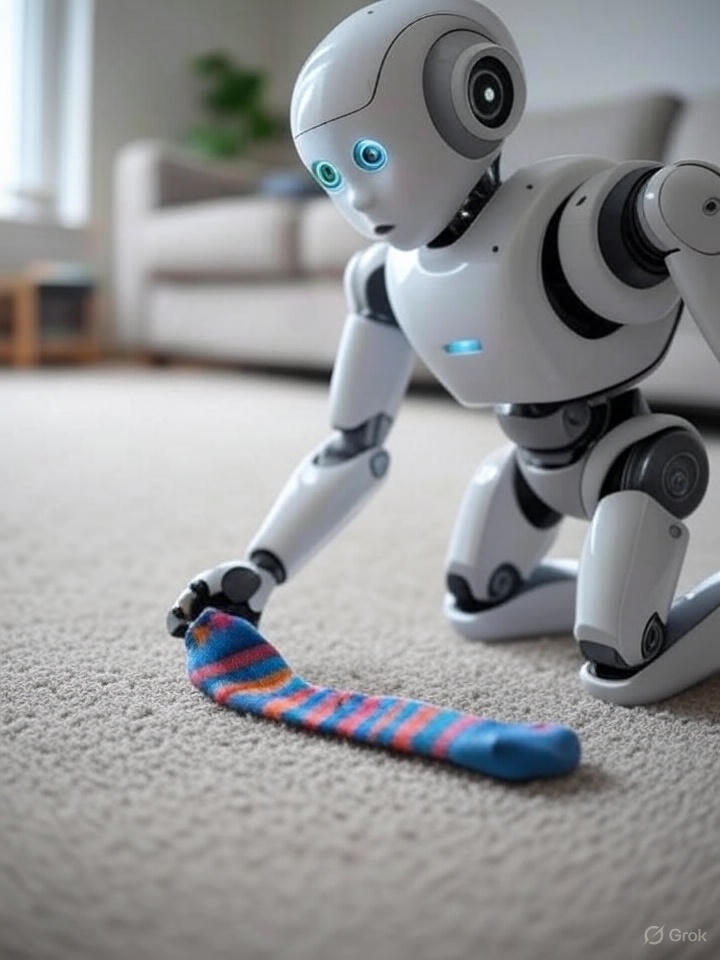
Robotics, too, falls short of the grand expectations. Most “advanced” robots struggle with tasks a toddler could master, such as picking up a sock without toppling over or navigating a cluttered room without getting stuck. These clunky prototypes litter R&D labs, yet billions continue to be poured into their development. The disconnect between the polished marketing and the error-prone reality is stark, raising questions about whether the investment is justified or just a gamble on unproven potential.
The overpromising doesn’t stop there—it’s amplified by media frenzy and investor enthusiasm. Tech giants and startups alike dangle visions of sentient assistants and autonomous cities, but the incremental progress tells a different story. While AI can optimize ad clicks and robots can weld car parts with precision, the leap to solving complex, real-world problems remains elusive. It’s a slow grind, not the overnight revolution we’re sold.
Ultimately, the ridiculousness lies in the gap between expectation and delivery. AI and robotics have their niche successes, but the grandiose claims of a utopian transformation are starting to sound like a sales pitch for a bridge to nowhere. Until these technologies can handle the unpredictability of daily life with ease, the hype will continue to outpace the reality, leaving us amused at the absurdity of it all.